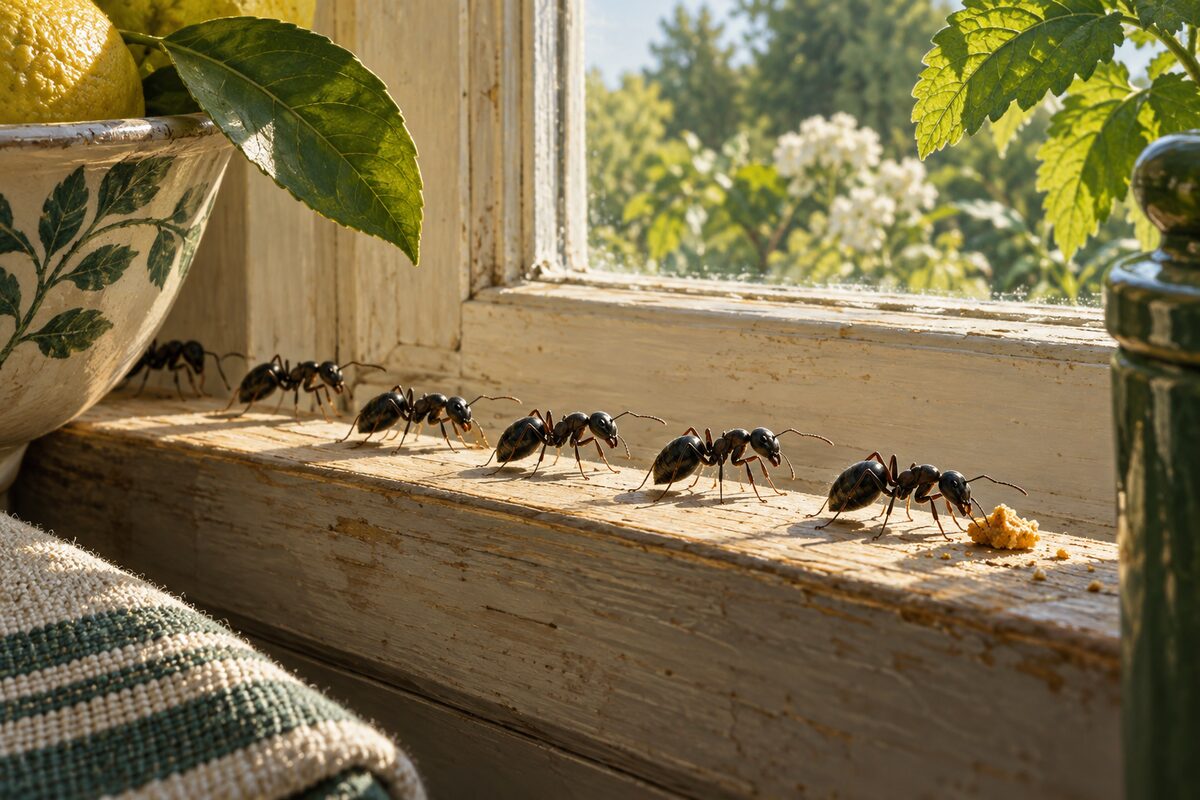
It starts with one ant on the counter. You wipe it away, wipe the counter, and feel vaguely accomplished. By evening there's a tidy two-lane highway running from the window frame to a crumb you can't even see. You wipe that away too. The next morning, the highway is back — rerouted, rebuilt, and slightly busier.
This is the rhythm of almost every ant problem in East Hampton, and it teaches the single most useful lesson about them: the ants you see are not the problem. They're the delivery fleet. The problem is a colony somewhere else — in the wall void, under the slab, out in the yard — that keeps sending more.
Know your ant
Most indoor ant complaints here come down to two species, and they are not interchangeable.
Pavement ants
Small, dark brown, and fond of nesting under slabs, walkways and foundations. In the house they're strictly food-motivated: sweets, grease, crumbs, pet kibble. They're a nuisance, not a threat to the building, but their persistence wears people down. Trails usually appear along baseboards, under sinks, and around the dishwasher.
Carpenter ants
Larger, black, and a different conversation entirely. Carpenter ants don't eat wood, but they excavate it to nest — and they prefer wood that's already damp. A carpenter ant colony in the wall is often a symptom of a moisture problem: a slow leak, wet window framing, a damp sill. Finding coarse sawdust-like shavings (frass) below a small hole, or hearing faint rustling inside a wall at night, points their way. Left alone, they can do real damage to damp structural wood over time.
Spray the trail and you kill the delivery fleet. The colony reads it as a recruiting opportunity.
Why spraying the trail fails
The instinct is to hit the visible ants with something from under the sink. It feels productive and changes nothing. A colony sends out only a small share of its workers at any time, and a queen deep in the nest keeps producing replacements. Worse, some sprays are repellent — the colony detects the disturbance and splits or relocates, which turns one nest into two.
The approach that works is slower and cleverer. Ant bait is food the workers can't resist, laced with a slow-acting active ingredient they can't detect. Workers carry it home and feed it to the colony, including the queen. The trail actually gets busier for a day or two — that's the bait working, not failing. Within days to a couple of weeks, the colony collapses from the inside.
A practical sequence that works
- Watch before you act. Follow the trail to its entry point — a window frame, a pipe penetration, a gap at the baseboard. Note where they're feeding.
- Clean the buffet. Wipe surfaces with soapy water, which also erases the pheromone trail. Seal food, including pet food. Don't leave dishes overnight while baiting.
- Place bait at the trail, not away from it. Small dabs of gel bait near the entry point and along the route. Then leave it alone. Resist wiping the trail while bait is down.
- Give it time. Judge results over one to two weeks, not one evening.
- Seal the entry. Once activity stops, caulk the gap they were using.
- Fix the moisture. For carpenter ants especially — find the damp wood and dry it out, or the next colony will make the same choice.
When ants mean something bigger
Recurring carpenter ant activity, frass piling up in the same spot, winged ants emerging indoors in spring, or trails inside walls and ceilings across several rooms — these all say the nest is inside the structure and the moisture source needs a proper diagnosis. That combination — locating the nest, treating it, and addressing the damp wood that invited it — is professional work. A local team that inspects before treating can save you from treating the wrong nest in the wrong wall; look into ant control in East Hampton, NY for inspection-led removal and prevention.
The bottom line
Ants are honest creatures. They show you exactly where they enter and exactly what they want. The homeowners who win are the ones who stop fighting the trail and start using it — as a delivery route for bait, and as a map to the gap that needs sealing. Do both, and the counter stays clean.
Common questions
Why are there more ants after I put bait out?
That's the bait working. Workers recruit each other to a good food source, so traffic peaks before it falls. Expect heavier activity for a day or two, then a steady decline. If nothing changes after two weeks, the bait type may not match the colony's current taste — try a different formulation.
Do carpenter ants eat wood like termites?
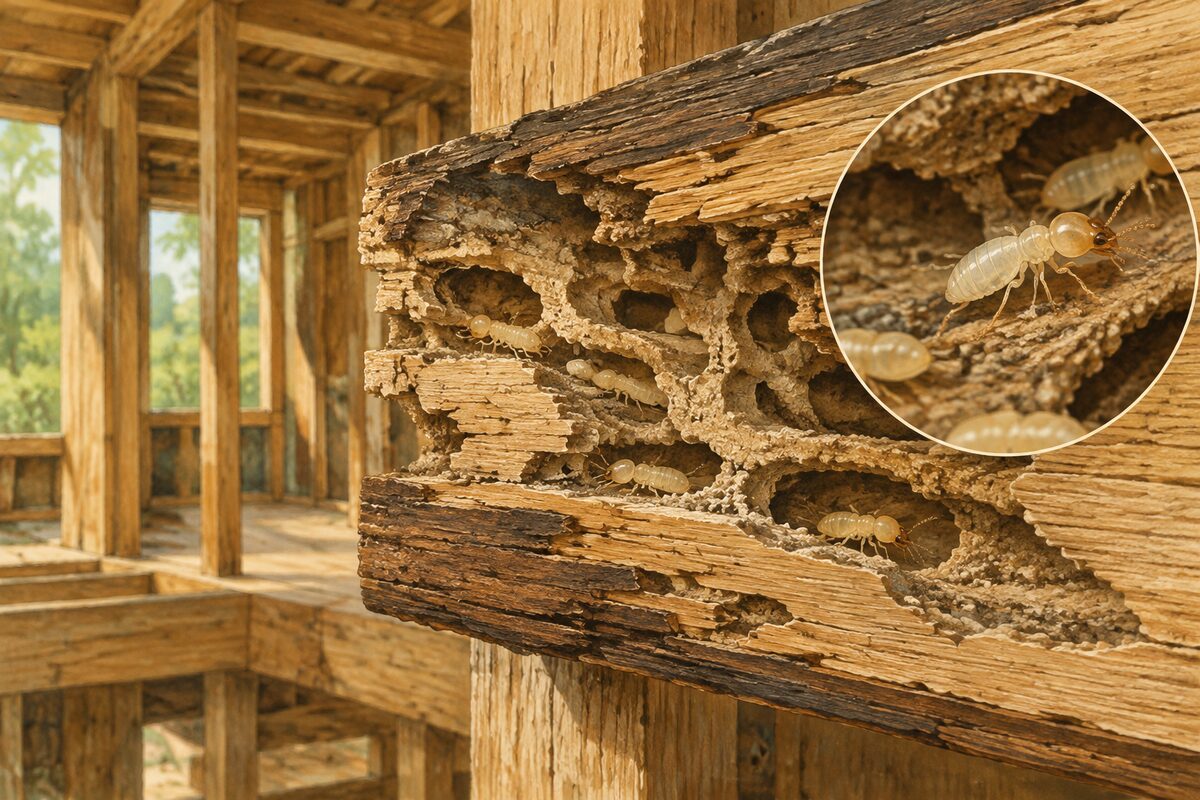
No. Eating wood is a termite habit — carpenter ants excavate galleries to nest in, pushing out the shavings, but they eat the same sweets and proteins other ants do. The structural concern is the excavation itself — and the damp wood that attracted them, which is a problem worth fixing for its own sake.
Are ant problems seasonal here?
Activity peaks in the warm months, and indoor invasions spike in spring and during dry spells when outdoor food gets scarce. But an established indoor nest — especially carpenter ants in damp framing — stays active year-round.
Should I use a fogger or bug bomb?
No. Foggers scatter pesticide onto surfaces while barely reaching the voids where ants nest, and they routinely make infestations worse by scattering colonies. Bait, sanitation and exclusion do the actual work.
Trail keeps coming back?
A professional inspection finds the nest and the moisture source in one visit — the two things bait alone can't always reach.
Ant removal & prevention in East Hampton